What to Do Until the Vet Arrives: Emergency Care for Horses
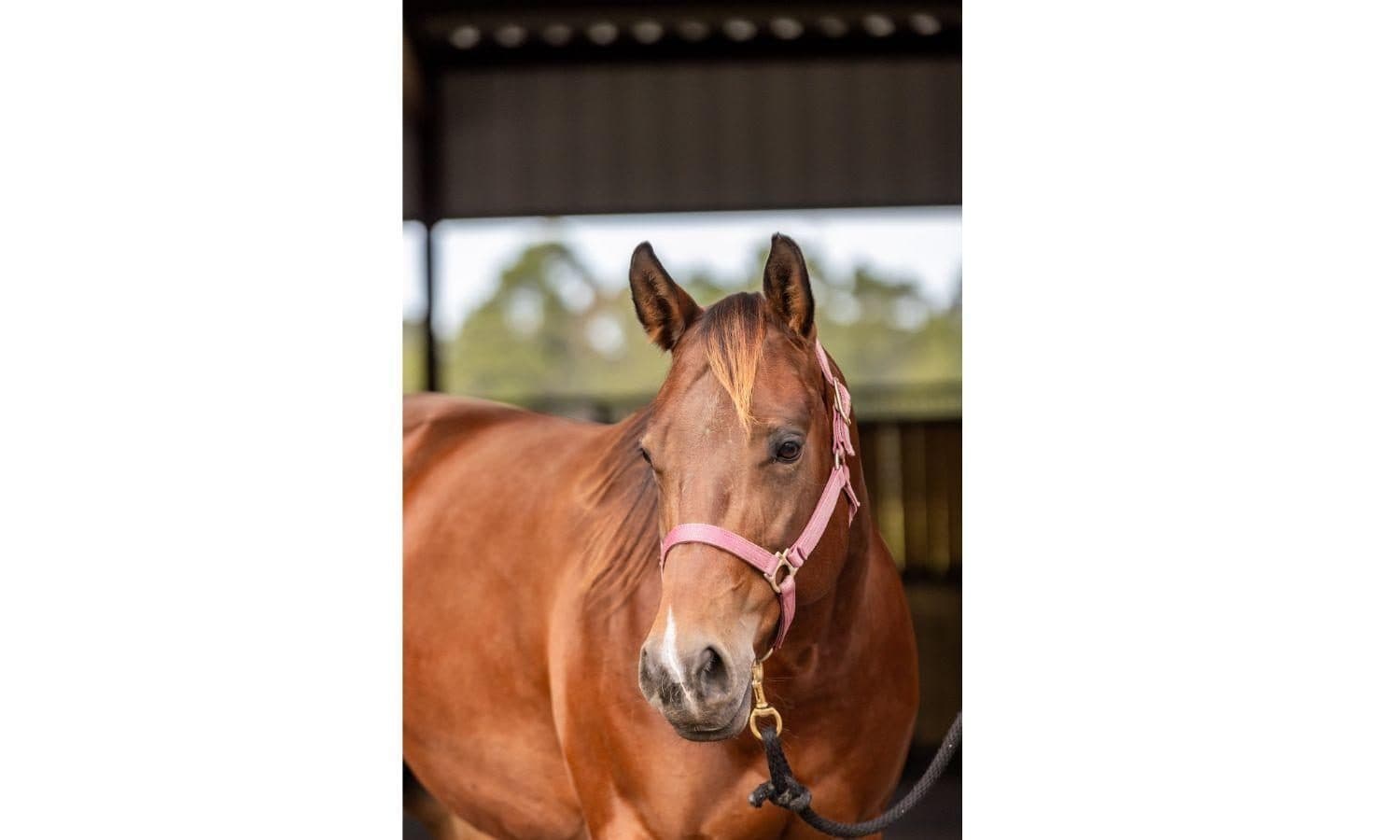
This excerpt from "What to Do Until the Vet Arrives" by Nancy S. Loving, DVM, is reprinted with permission from Trafalgar Square Books.
First Aid Kit
Preparation for an emergency helps you keep a level frame of mind and gives you confidence you can deal with a calamity. You may have everything ready at hand for a horse emergency yet never need to dive into the first aid kit. While ideal, this is probably unlikely, since horses are inquisitive and energetic, and just about anything can happen. Robert Baden-Powell, founder of the Boy Scouts, proclaimed, “A Scout is never taken by surprise; he knows exactly what to do when anything unexpected happens.” Such a sound approach is appropriate to stocking a first aid kit that arms you with options, plus the knowledge of what to do.
Many supplies for a first aid kit are available over-the-counter or from a veterinarian, while some medications need a veterinarian’s prescription and guidance. Be sure you understand how to use prescription medications and use them only under advisement from your veterinarian.
Storage Container
Ideally, all your first aid supplies are stored in a clean, dry environment. A plastic storage container works well for this purpose. When supplies are emptied from the container, it can serve as a basin to hold water so you can make a physiologic salt solution (saline) for cleansing a wound or irrigating an eye.
- Fill the container with a quart of water and mark a line on the outside with indelible ink or tape for future reference.
- Prepare multiple pre-measured baggies with ½ tablespoon of table salt in each.
- To make a saline solution, dissolve ½ tablespoon of salt in one quart of water—which you can now do by filling your container with water up to the line you marked, and then emptying one of your baggies into it, stirring until it is well dissolved.
Items to Include in the First Aid Kit
Contact Information
- A card or laminated paper that includes phone numbers for your veterinarian, an emergency veterinary hospital, and a farrier. Also include your own phone contact information and that of a friend who is willing to act as proxy agent on your behalf in your absence.
Supply List
- A list of everything contained in your first aid kit so you can ensure that supplies you’ve used (which should be crossed off once removed) will be replaced. Adding expiration dates helps you keep your supplies up-to-date.
Restraint Tools
- For example, a twitch, lip chain, or blindfold material
Wound Cleansing Materials
There is a saying that “cleanliness is next to godliness,” and this applies when it comes to wound care—cleanliness is the best way to deter infection. To most effectively clean a wound, you’ll want to have the following on hand:
- Disposable razor or scissors to remove hair around a wound.
- Gauze sponges (3 inches x 3 inches) for scrubbing. Only use cotton for scrubbing if you can ensure no fibers are left in a wound. Soak gauze or cotton in saline solution before scrubbing a wound.
- Antiseptic (povidone-iodine or chlorhexidine) solution to add to saline for rinsing and irrigating wounds. Use 10 milliliters of povidone-iodine or 20 milliliters of chlorhexidine per liter (or quart) of salt water.
- Antiseptic (povidone-iodine or chlorhexidine) surgical scrub soap to scrub a wound.
- A syringe—35 cubic centimeters (cc) or 60 cc—for wound irrigation. A smaller syringe—6 cc or 12 cc—is useful for eye irrigation.
- Disposable gloves to avoid contaminating a wound with your bare hands. Store these gloves in a baggie to keep them clean before use.
Bandaging Materials
- Topical, water-soluble antibiotic ointment to apply to a wound to keep it protected and moist. Examples include triple antibiotic ointment, silver sulfadiazine cream, and chlorhexidine cream. Avoid using petroleum-based products directly on a wound, especially one that is to be sutured.
- Sterile, non-stick dressing that is not impregnated with anything, like a Telfa® pad.
- Roll (Kling) gauze, brown or white—this stretches and conforms to a limb to hold a non-stick dressing or padding in place.
- Roll or sheet cotton, gamgee, Combine pad, or sanitary napkin to pad the lower leg to prevent pressure on tendons and soft tissues beneath a bandage, or to create a hoof bandage.
- Self-adhesive stretchable fabric bandage material, like 3-inch or 4-inch Elastikon® or Elastoplast.
- Sticky elastic, easy-tear bandaging material, like VetWrap® or CoFlex tape, or an ace bandage—these are used for pressure bandaging only when there is sufficient padding on the limb.
- Bandage scissors with blunt ends.
Other Supplies for Dealing with Wounds
- Petroleum-based ointment to apply below a wound to limit skin scald from wound drainage, and to lubricate the end of a thermometer.
- Superglue® to close a small wound until it can be looked at by a veterinarian if there is to be a long delay. Apply it, while holding the wound edges together, as small drops or dabs with sufficient spacing to look like stitches. Keep in mind that this material heats up when applied. Only resort to this if instructed to by your veterinarian due to a potential delay in treatment. Usually, it is best to thoroughly clean and bandage a wound without attempting to close it.
- Flexible rubber tubing or thin strip of leather to use as a tourniquet.
Additional Items to Consider Including in a First Aid Kit
- A notebook and pen for recording findings (for example, vital signs).
- Rectal thermometer—5-inch mercury or digital for large animals.
- Stethoscope to count heart rate and to check intestinal sounds.
- Multi-purpose tool that includes pliers and a small file.
- Tweezers or forceps—for grasping and removing debris, cactus spines, thorns, splinters, or other foreign bodies.
- Sterile saline eye wash solution available at the drugstore for rinsing debris from the eye. Refer to the section on eye injuries (p. 86) for details.
- Fly facemask to keep dirt, bright light, and flies from bothering an injured eye.
- Gorilla or duct tape.
- Hoof pick.
- Hoof boot that has been pre-fitted, usually for front hooves. Trim it so there is no boot contact with the coronary band.
- Fly repellant spray or wipes.
- Flashlight or headlamp with fresh batteries.
- Instant chemical cold or hot packs—cold helps to control inflammation of soft tissue injury.
- Clean towels
- Plastic baggies
Prescription Medications
- Sterile ophthalmic ointment without corticosteroid. Do not use eye ointment containing a steroid until a veterinarian confirms that there is no corneal abrasion or ulceration.
- Sterile ophthalmic ointment without corticosteroid. Do not use eye ointment containing a steroid until a veterinarian confirms that there is no corneal abrasion or ulceration.
- Non-steroidal anti-inflammatory systemic medication (NSAID) in paste, tablet, or powder form—phenylbutazone, flunixin meglumine (Banamine®), or firocoxib (Equioxx®)—to minimize edema, swelling, and pain, and to control fever. Follow a veterinarian’s instructions for use.
- Short-acting, sublingual (under the tongue) detomidine sedative (Dormosedan®) for pain relief. This is useful for managing a horse’s colic pain or to allow treatment of an uncooperative horse if he sedates well with this medication.
- Note: A sedated horse can wake from a stupor and strike out with a sudden and well-placed kick. Stay away from the back end of a sedated horse, and move deliberately, always letting the horse know where you are through voice and touch.
- Dexamethasone tablets or diphenhydramine (Benadryl®) to counteract an allergic reaction. Use only under advisement of a veterinarian.
You’ll want your stocked first aid kit—containing materials and supplies—to be easily accessible. However, it is important to store all first aid supplies and medications out of reach of young children, pets, and other people you don’t want accessing them, under lock and key if necessary. Keep everything dust-free and dry, and at a constant temperature, neither too hot nor too cold. Store drugs at the manufacturer’s recommended temperature to prevent loss of the drug’s efficacy. Check expiration dates on medications and supplies once or twice a year; replace and update as needed. Dispose of medications responsibly—contact a veterinarian for this purpose.
Related Articles
Where Jump Saddles Lose Riders: Stability Under the Leg
At the highest levels of the sport, the foundations are non-negotiable. Rider fitness, position, preparation and correct saddle fit must all be in place before meaningful performance can occur. These are the essentials that underpin every successful round.

Earn Year-End Achievements on the All New USEA Combined Test Leaderboard
The United States Eventing Association (USEA) is pleased to announce the establishment of a new national Combined Test (CT) leaderboard, creating an additional pathway for recognition within the existing competition framework. This initiative, created by the USEA Membership Committee and approved...

Finding Footwork for Young Event Horses
Learning footwork is a key concept when teaching a young horse to jump. Using grids in the arena over show jumps will set them up for success as they start to learn about cross-country questions like banks and ditches and will help them learn rhythm and relaxation.