Where Jump Saddles Lose Riders: Stability Under the Leg
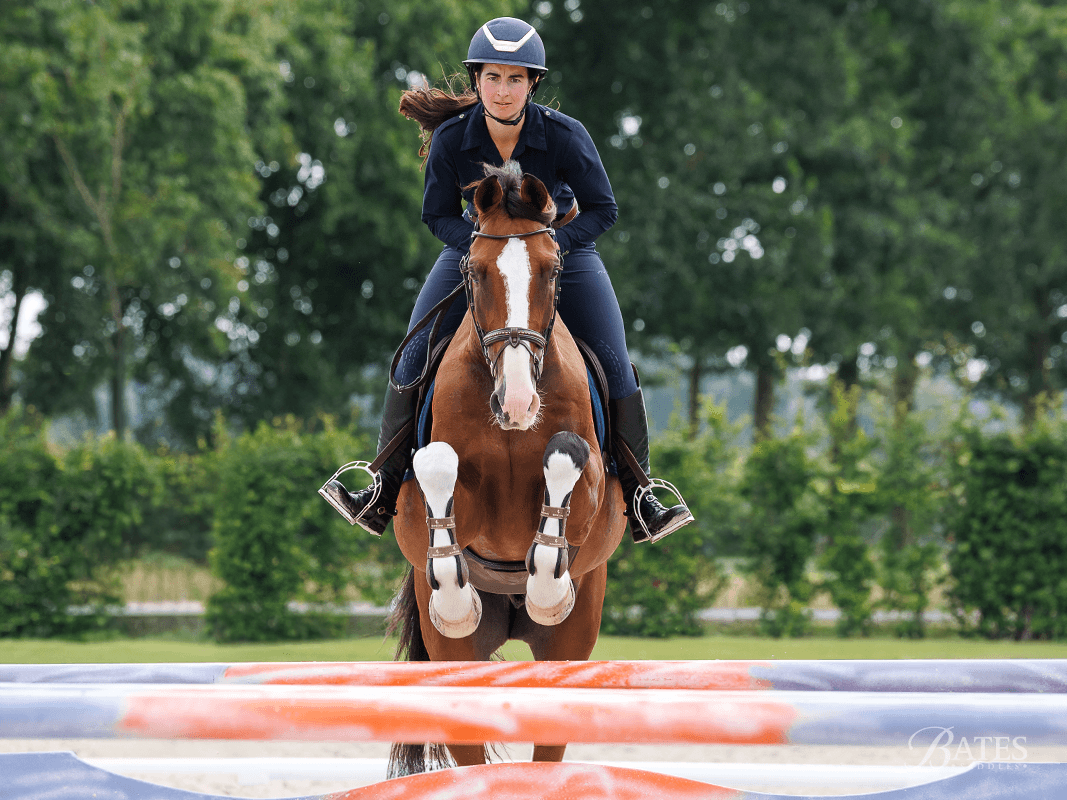
At the highest levels of the sport, the foundations are non-negotiable. Rider fitness, position, preparation and correct saddle fit must all be in place before meaningful performance can occur. These are the essentials that underpin every successful round.
A saddle cannot replace skill or preparation, but the right design can enhance what horse and rider already bring to the partnership, creating the best possible platform to perform when it counts. The most effective equipment does not demand attention or correction. It provides a stable, predictable base that allows the rider to focus on feel, timing and decision-making.
Why Stability Under the Leg Matters
The rider’s leg is a primary channel of communication. It provides balance, security and clarity of aids, particularly in jumping and fast or technical riding where forces increase dramatically through take-off, landing and turns.
When the rider’s main contact point becomes inconsistent, especially over a jump, the rider is forced to make continual micro-adjustments to maintain security. These adjustments are often subconscious, but they disrupt rhythm and dilute communication.
Over the course of a round, these small corrections add up. The rider is forced into a constant game of catch-up on a line they should be confidently managing. Every adjustment the rider makes is felt by the horse, at higher intensities even minimal disruption can influence balance, confidence and overall performance.
The Saddle Flap as a Point of Movement
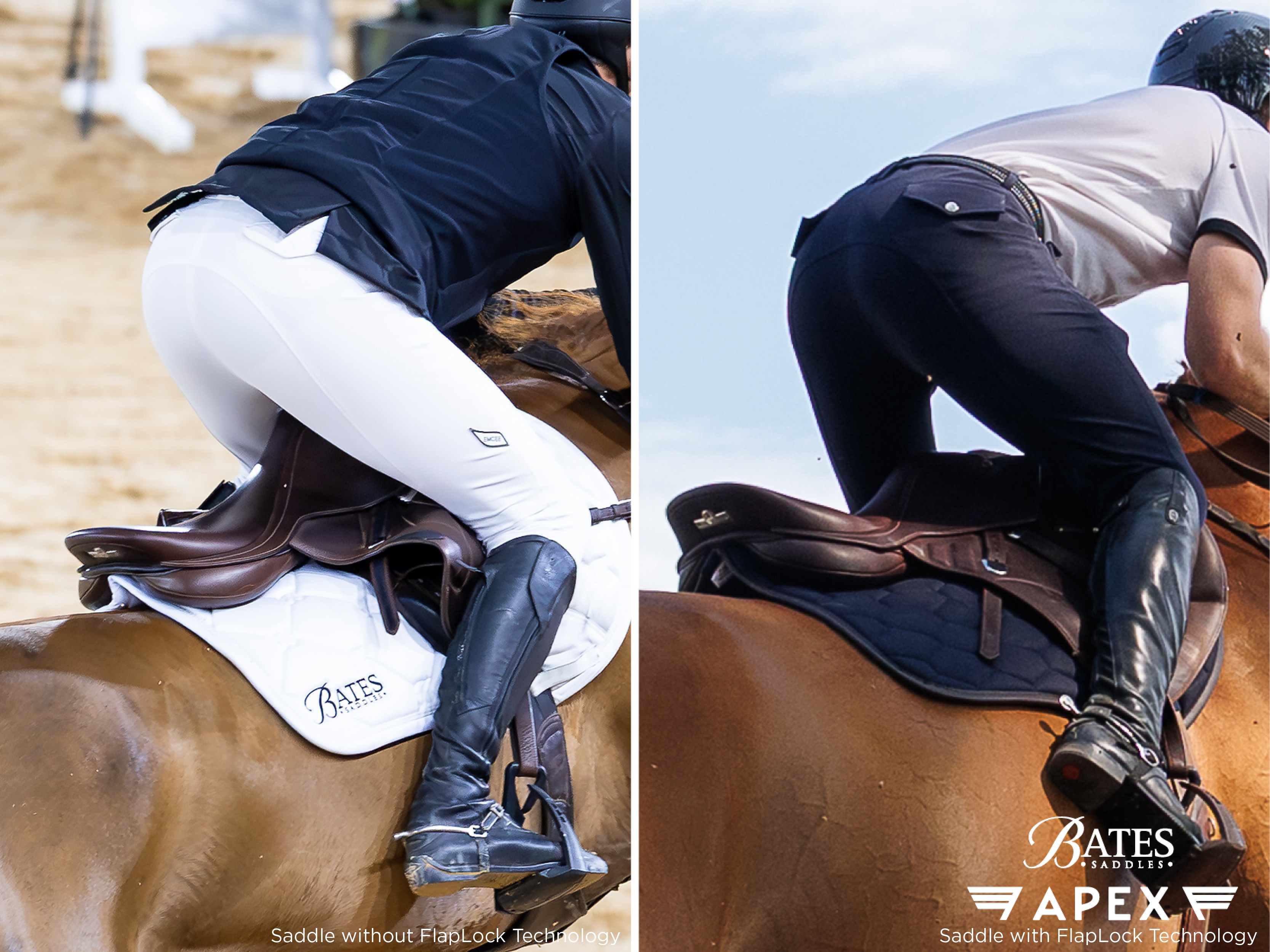
One area particularly susceptible to unwanted movement is the saddle flap. It sits at the intersection of rider weight, leg pressure, stirrup leverage and the horse’s motion.
Modern performance saddles frequently use premium, soft leathers to improve feel and comfort. While this brings clear benefits, reduced rigidity can increase the potential for movement, especially when the leather is also designed to provide enhanced grip for the rider’s leg.
This is not a flaw, but a design challenge.
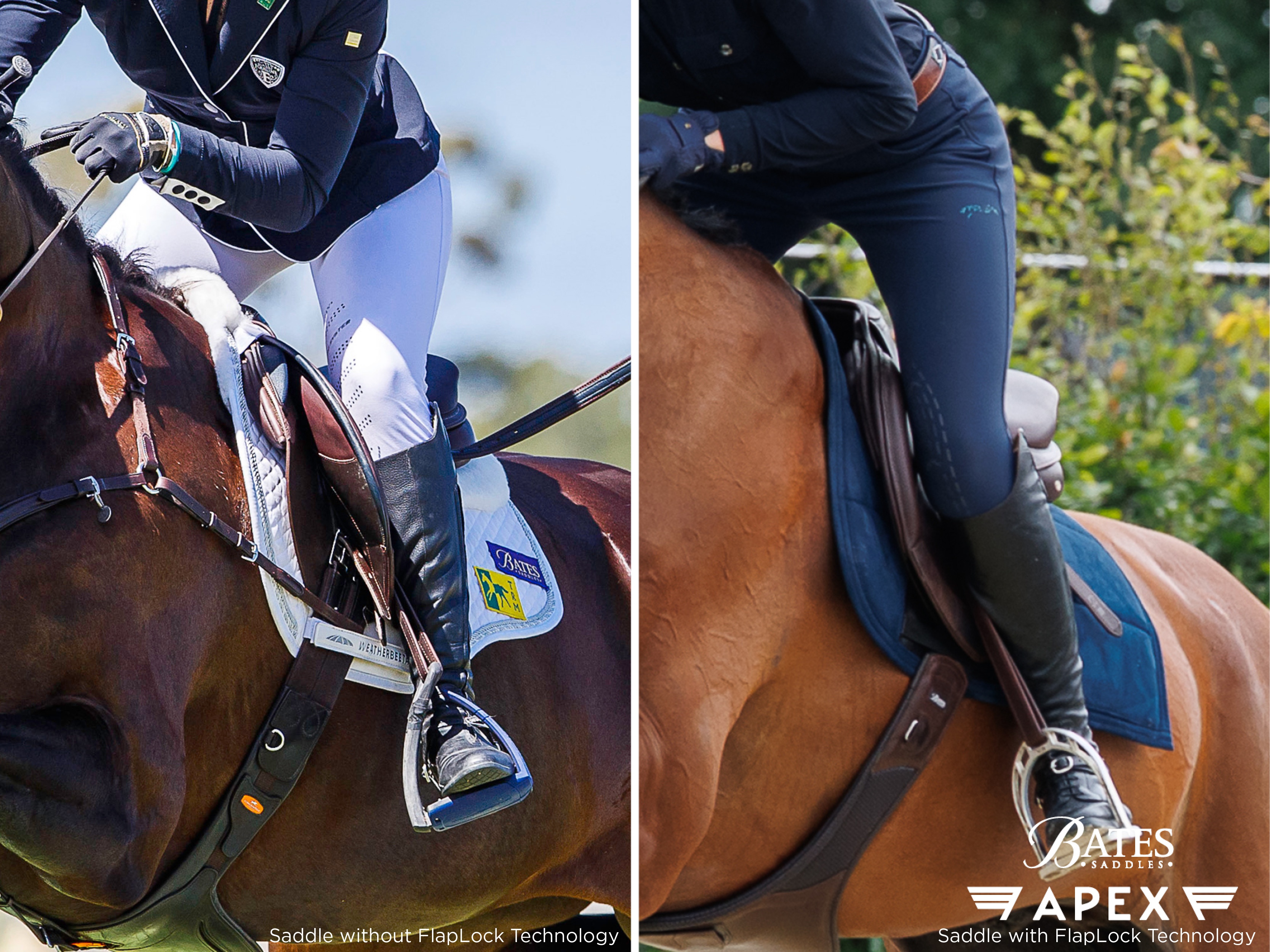
When flap stability is insufficient, the flap may lift, shift or drag beneath the rider’s leg during moments of peak force, such as takeoff, landing, sharp turns or rapid changes of pace. The rider responds instinctively, adjusting their leg to regain security.
The Cost of Micro-Adjustments
These adjustments are rarely dramatic. More often, they show up as subtle compensations: a thigh tightening, a knee bracing, a heel creeping forward. Over time, these corrections affect:
- lower-leg consistency
- timing and clarity of aids
- rider fatigue
- speed and effectiveness of recovery after fences
At elite level, where rounds are decided by inches and milliseconds, these small losses matter.
Structural Stability as a Design Solution
In response to this challenge, saddle designers have begun to rethink how the flap behaves under load. Rather than accepting movement as inevitable, modern engineering approaches focus on controlling how the flap interacts with the under‑flap and overall saddle structure.
Some designs now incorporate dedicated stabilizing mechanisms that limit unwanted independent movement of the flap while still allowing the rider’s leg to move freely. One example is Bates Saddles’ Patented FlapLock Technology, which mechanically secures the saddle flap to reduce lift and drift during take-off, landing, and recovery.
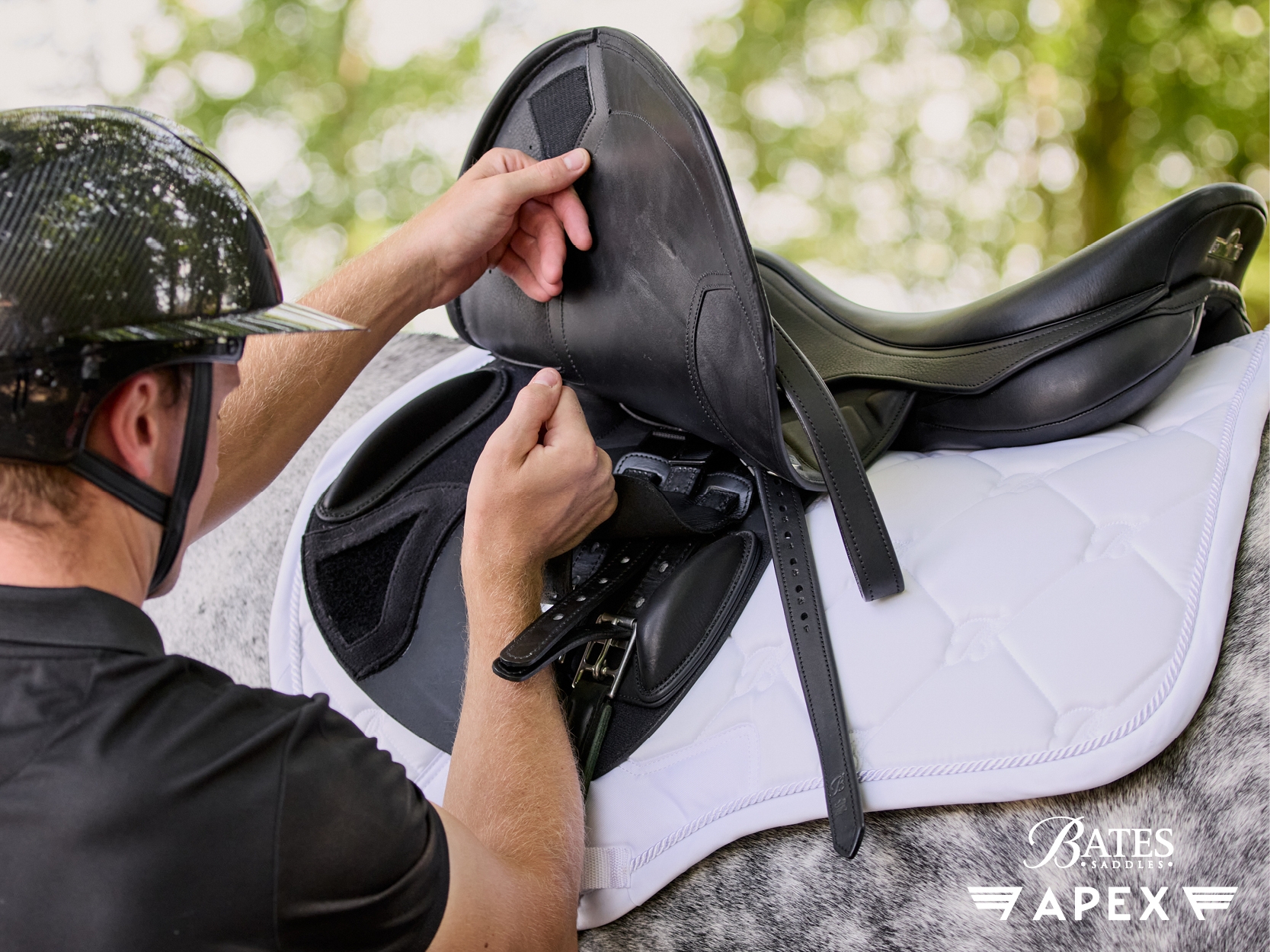
When executed effectively, this type of system does not alter rider position or artificially hold the leg in place. Instead, it removes a layer of interference that riders have historically compensated for, allowing stability to come from the saddle itself rather than constant rider correction. A stable flap provides a consistent surface for the rider’s leg. The leg stays quieter, balance is preserved, and communication remains clear.
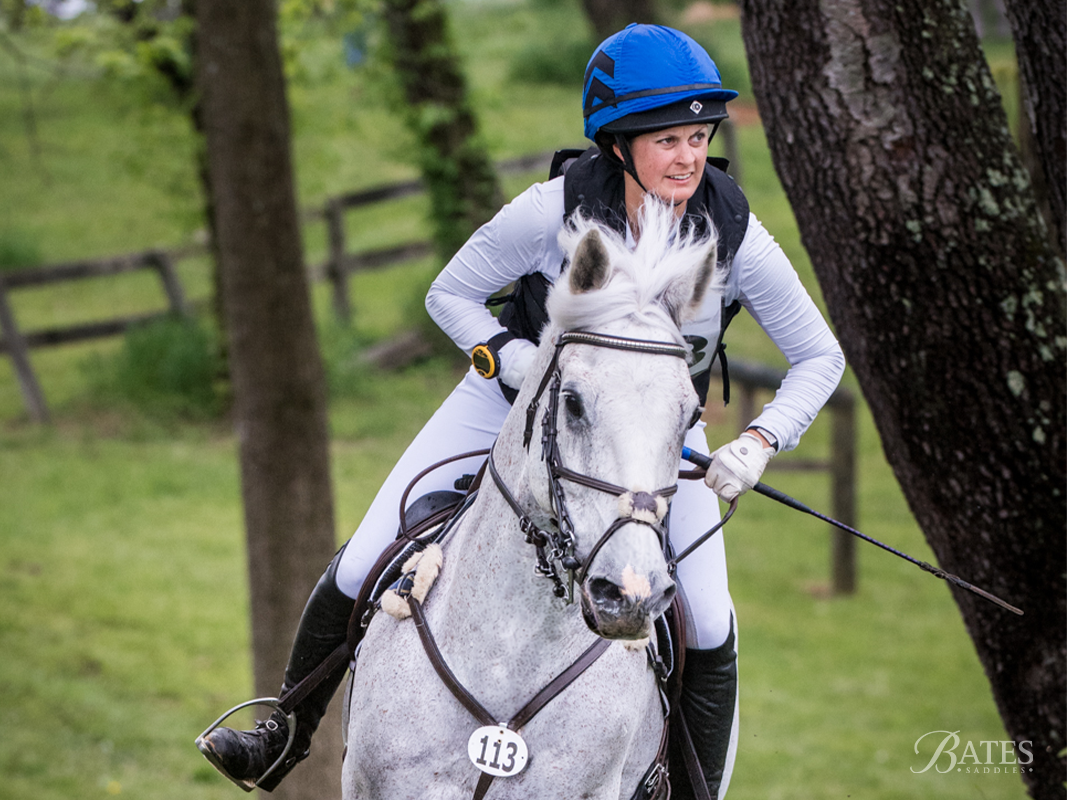
Perhaps most importantly, stability builds confidence. When riders trust the saddle beneath them, they are free to commit to lines, recover earlier after landing, and ride instinctively rather than defensively.
Flap Stability Is Part of a Larger System
Flap behavior does not exist in isolation. It is influenced by overall saddle balance, panel performance, material choice and how the saddle stabilises dynamically on the moving horse. When these elements work together, movement remains controlled and predictable. When they do not, the saddle becomes another variable the rider must manage.
Understanding flap stability as part of the saddle’s broader performance system allows riders and fitters to make more informed decisions, particularly at the top of the sport where refinement matters more than reinvention.

Choosing a saddle that leads the way in thoughtful innovation helps ensure equipment supports the rider under pressure, rather than asking them to manage it. As a partner of the United States Eventing Association, Bates Saddles is committed to advancing saddle design that prioritizes stability, clarity, and performance as the sport continues to evolve.
For riders interested in exploring these ideas further, Bates Saddles has also produced a series of educational articles in collaboration with the FEI, examining the relationship between saddle balance, rider position, and performance. Articles such as “Is It Me, or Is My Saddle Out of Balance?” take a deeper look at how subtle changes in equipment setup can influence both horse and rider at every level of the sport.
Bates Saddles is the Official Saddle of the United States Eventing Association. For information about innovative saddle design and technology, or to find your nearest stockist, visit batessaddles.com.
Related Articles

Registration Now Open for 2026 USEA Annual Meeting & Convention and U.S. Eventing Hall of Fame Induction Ceremony in Arlington, Virginia
Registration is now open for the 2026 USEA Annual Meeting & Convention, which will include the U.S. Eventing Hall of Fame Induction Ceremony Dinner, on December 11-13 in Arlington, Virginia. Interested members are enco...
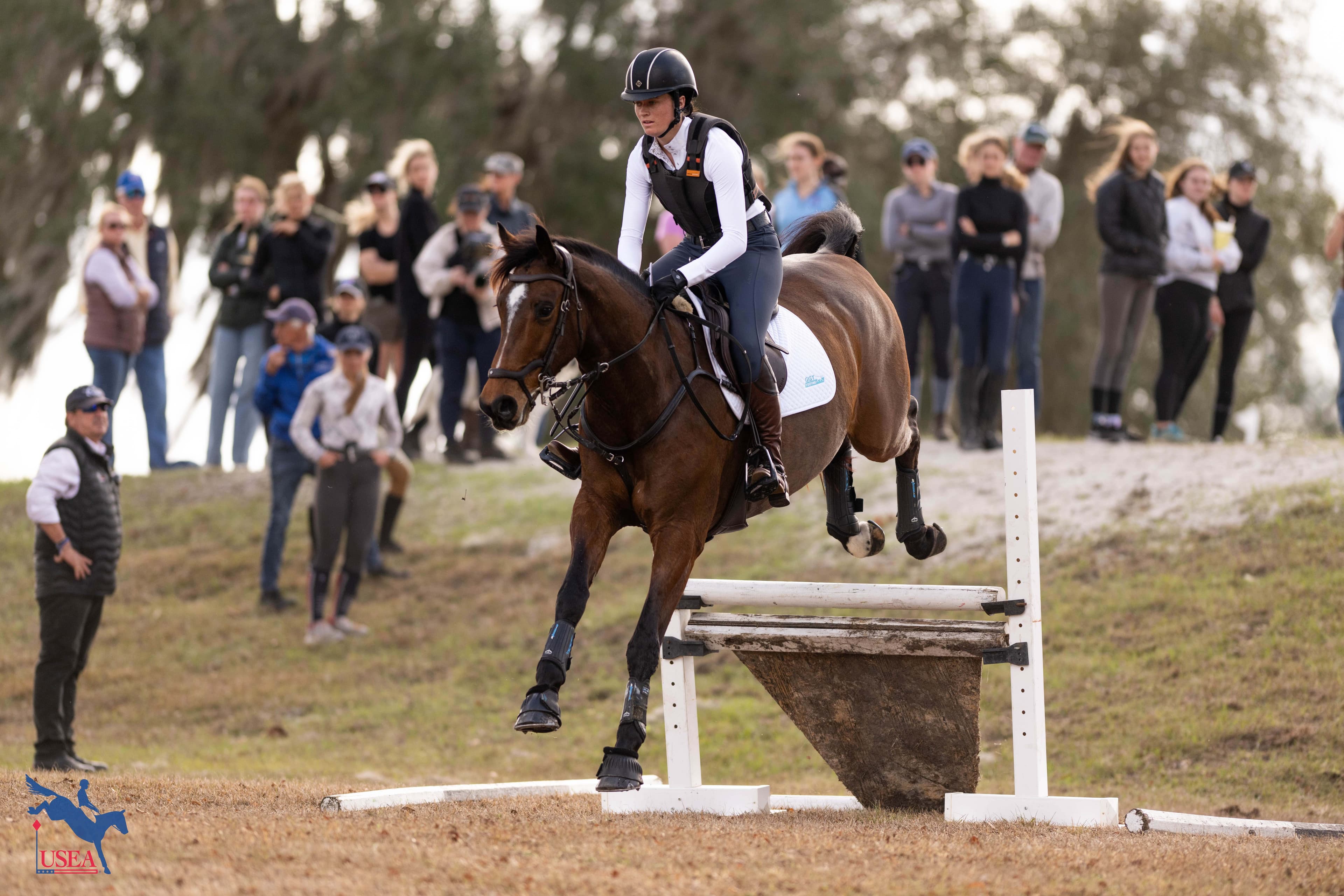
USEA Names Athletes for Winter 2026-2027 EA21 National Camp
The United States Eventing Association (USEA) is pleased to announce the 12 young athletes selected for the 2026-2027 USEA Emerging Athletes U21 (EA21) National Camp. Following five regional clinics held across the country this summer, these athletes have been invited to continue their developmen...

New Ways to Give Back to the USEA Programs You Love
The United States Eventing Association (USEA) is pleased to introduce a new way for members and supporters of the sport to give back to the programs that mean the most to them.