ECP Certification Opens Doors to New Opportunities for Emily Mastervich and Rebecca Brown
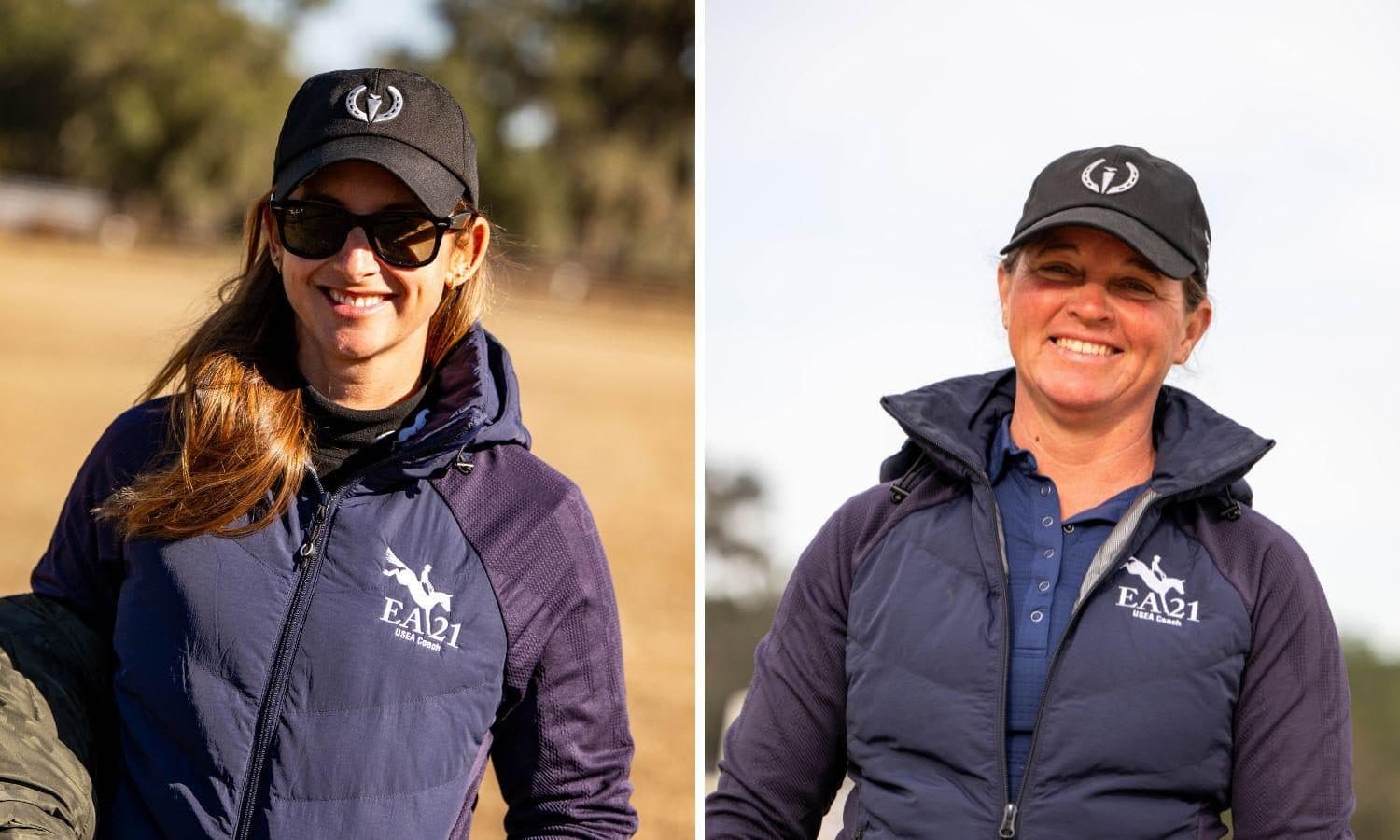
As a lifelong student of the sport, Emily Mastervich, a USEA Eventing Coaches Program (ECP) Level V Coach and Faculty member, saw certification from the ECP as a rite of passage when she began her journey in 2009.
“I really liked the idea of going after my certification in a way to have someone backing me and saying, ‘Look, she really does know what she's talking about,’ ” explained Mastervich. “When I first went into the program, I just had riders that were competing through the three-star level, and then within a couple of years, I had quite a few in my barn that I helped develop to the Advanced level, so I went back and got recertified,” she further explained.
“To me, the ECP is a professional stamp of approval of my own personal development in the sport.” And that "stamp of approval" has allowed her to open doors throughout the sport since she received her first certification. From coaching Area Young Rider Championships teams to joining the ECP Faculty and later being selected as a USEA Emerging Athletes U21 Program (EA21) Coach, Mastervich has made the most of her time in the program.
Similarly, Rebecca Brown, an ECP Level IV Coach, has worn many hats thanks to her certification. A former member of the ECP Committee as well, Brown “was at an ECP seminar giving a teaching demonstration in front of something like two or three hundred people, about five years ago, when David [O’Connor] came up to me and said, 'Have you considered putting your name in the hat for the EA21 Coaching position?' ” she explained. While the budding program meant to identify the next generation of elite event riders wasn’t on her radar at the time, Brown applied for the job with a little encouragement from O’Connor.
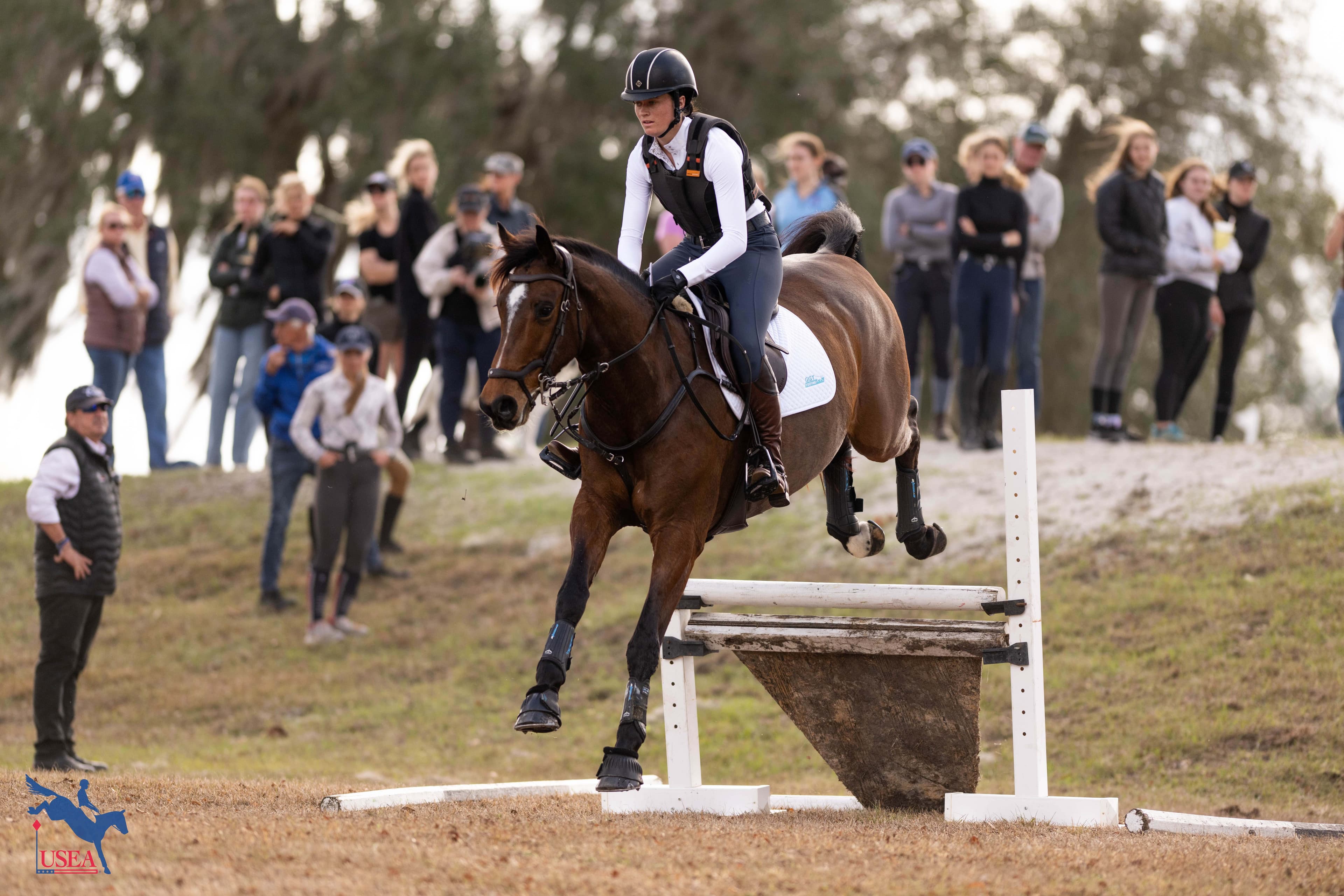
Now, both of these highly accomplished professionals hit the road each summer to teach athletes from around the country at the EA21 Regional Clinics. Sixty highly accomplished young riders are selected from a competitive pool of applicants each year to receive hands on coaching from ECP certified coaches at one of five two-day clinics.
Brown will leave her native Texas to coach the EA21 East II Clinic at Stable View (Aiken, South Carolina) and Mastervich will depart from her home in Virginia to teach at the EA21 West I Clinic at Twin Rivers Ranch (Paso Robles, California) this summer. The opportunity to travel to a different region of the country and work with riders that are successfully competing at the Training level or higher is a unique experience that both women credit for growing their knowledge base.
“It keeps you fresh. It keeps you motivated! We’re coaching riders from regions all around the country, and they’re very talented, dedicated, good riders,” Mastervich said. “It’s inspirational, too, knowing that they’re going to take what we talk about back home and hopefully inspire other riders to step up to a new level as well. It’s such a trickledown effect, and we’ve seen the level continue to rise as it gets harder and harder to choose the National Camp athletes from the Regional participants each year.”
“My clients love it, too, because, of course, I bring back new and fun things to teach them,” Brown noted as another benefit of participating in the EA21 Program. “I think that you get a lot out of networking with the other coaches, as well.”
Throughout the year, the five EA21 Regional Clinic Coaches meet with O'Connor, the USEA EA21 Director of Coaching, to make lesson plans and discuss methodology. This process, along with a new opportunity to attend workshops through the U.S. Center for Coaching Excellence (USCCE) give the coaches even more opportunities to learn and improve their craft.
“It was such an eye-opener, because it [the USCCE] is open to coaches of all sports, not just equestrian,” Mastervich explained. Brown continued by noting that, "The program encourages you to think of things in a different way. At the end of the day, we’re all doing the same thing, just saying different words based on our sports. There are ways that we can communicate differently with different students and just learning to be cognizant of that may help you further a student even more.”
Collaboration and camaraderie amongst coaches are the key to success across the board. Both women highlighted this by noting how the ECP Symposium, educational workshops, and coaching opportunities, like EA21 and the Young Rider Championships, allow them to step out of their comfort zone and meet other professionals that are experiencing many of the same triumphs and challenges as them.
“Being able to utilize other professionals and see what is working for them in their programs and being able to discuss everyone’s approach is so valuable, and it’s driven me to continue throughout the years,” Mastervich explained in reference to the many roles she’s taken on through the ECP. “Being among your peers in these different settings and just being able to learn more, see more, develop a better eye, and have conversations on the sidelines has been more beneficial than anything.”
Taking tidbits of information and fun phrases from other coaches is another reason Mastervich loves participating in workshops. “I almost always pick up a one-liner from someone else as they teach. There was one time I was watching a coach that was working towards their Level I certification, and she told the student during a jumping lesson that ‘Your eyes are your turn signal to your horse,' and I thought that was such a great way to say it. I still use that today!”
Brown also credits her time in the ECP with helping her organize her lesson plans and her thoughts in the moment to be a more effective coach. Growing up with a mother who was also a coach in the industry taught her from a very young age that versatility is critical to the job.
“My mom told me early on that one of the best skills that you can have is to be able to explain the same thing in 50 different ways, because we all learn so differently. We all click on different things in different ways. So, between ECP and EA21, each gives me more opportunities to figure out different and inventive ways to really get that light bulb to turn on for any rider.”
While many of these different approaches come from time spent in the continuing education workshops, Mastervich noted, “What other sport do you know where everyone is willing to give advice and help each other out in the warmup? I think this is something incredibly unique about eventing, and I think it really ties into these programs and the coaching aspect as well. We want to make the sport better. We want to pursue these things because we love the sport.”
As Mastervich and the rest of the ECP Faculty look towards the future of the program, they see an opportunity to get even more coaches to buy into certification. “We want to find ways to make it more accessible to grow the pool of coaches that are certified,” she explained of recent committee objectives. “There are so many ways I think we can use technology now to both share information and help educate people in general about what the ECP does. I’d like to see the visibility grow from the standpoint of riders realizing the benefits of finding an ECP certified coach.”
Next time you’re at an event, keep an eye out for ECP Ambassadors wearing their coach’s badge. This is an easy and quick way to identify coaches at an event that have taken the time to go through the certification process, and they can be a great resource if you need assistance on the spot.
For any other coaches that are inspired to start their journey to ECP Certification, contact Brandi Bishop at [email protected] to learn more about the program, or visit useventing.com/safety-education/eventing-coaches-program. The next generation of eventing athletes needs you!
About the USEA Eventing Coaches Program (ECP)
Coaches are essential to the training of riders and horses for safe and educated participation in the sport of eventing. The USEA Eventing Coaches Program (ECP), formerly known as the Instructors’ Certification Program (ICP), was initiated in 2002 to educate all levels of eventing coaches with crucial training principles upon which they can continue to build throughout their teaching careers. ECP offers educational workshops and assessments by which both regular coaches, Level I through Level V, Young Event Horse (YEH) coaches, and Young Event Horse professional horse trainers can become ECP certified. Additional information about ECP’s goals, benefits, workshops, and assessments as well as names and contact information for current ECP certified coaches, YEH coaches, and YEH professional horse trainers are available on the USEA website. Click here to learn more about the USEA Eventing Coaches Program.
The USEA would like to thank Marshall+Sterling Equine Insurance, Stable Secretary, Strider, and the United States Pony Clubs, for their support of the Eventing Coaches Program.
About the USEA Emerging Athlete U21 Program (EA21)
The purpose of the USEA Emerging Athletes U21 Program (EA21) is to identify and provide consistent quality instruction to the next generation of elite event riders. The aim is to create a pipeline for potential team riders by identifying and developing young talent, improving horsemanship and riding skills, and training and improving skills and consistency.
The USEA Emerging Athletes U21 Program was launched in 2022 with a model of five summertime regional clinics taught by carefully selected USEA Eventing Coaches Program (ECP) coaches, leading to a winter national camp consisting of selected Young Riders from the regional clinics. Athletes who are 21 years or younger, are current members of their USEA Young Rider Area program, and are established at the Training Level or higher, are eligible to apply for the EA21 program. Click here to learn more about the USEA EA21 Program.
The USEA would like to thank ARMA, Bates Saddles, GGT Footing, Horse Illustrated, Kerrits, PulseVet, Ride iQ, Schneiders Saddlery, Sidelines Magazine, WeRideTogether, YETI, and 100xEquine for sponsoring the USEA Emerging Athletes U21 Program.
Related Articles

Registration Now Open for 2026 USEA Annual Meeting & Convention and U.S. Eventing Hall of Fame Induction Ceremony in Arlington, Virginia
Registration is now open for the 2026 USEA Annual Meeting & Convention, which will include the U.S. Eventing Hall of Fame Induction Ceremony Dinner, on December 11-13 in Arlington, Virginia. Interested members are enco...
USEA Names Athletes for Winter 2026-2027 EA21 National Camp
The United States Eventing Association (USEA) is pleased to announce the 12 young athletes selected for the 2026-2027 USEA Emerging Athletes U21 (EA21) National Camp. Following five regional clinics held across the country this summer, these athletes have been invited to continue their developmen...
New Ways to Give Back to the USEA Programs You Love
The United States Eventing Association (USEA) is pleased to introduce a new way for members and supporters of the sport to give back to the programs that mean the most to them.